
# Preventing Hydraulic Reservoir Contamination: Best Practices
Hydraulic systems are integral to the operation of various industrial and mobile equipment, providing the necessary power and control for a wide range of applications. However, hydraulic contamination remains the leading cause of system failure, responsible for 70–80% of hydraulic breakdowns. Most of this contamination originates in the hydraulic reservoir, making it crucial to implement effective strategies to prevent it. This article outlines best practices to safeguard your hydraulic systems and ensure their longevity.
## Understanding Hydraulic Reservoir Contamination
Hydraulic reservoir contamination can occur through various means, including particulate matter, water, and chemical contaminants. These impurities can lead to significant damage to critical components such as pumps, valves, seals, and actuators. The consequences of contamination not only result in costly repairs and downtime but can also compromise the safety and efficiency of operations.
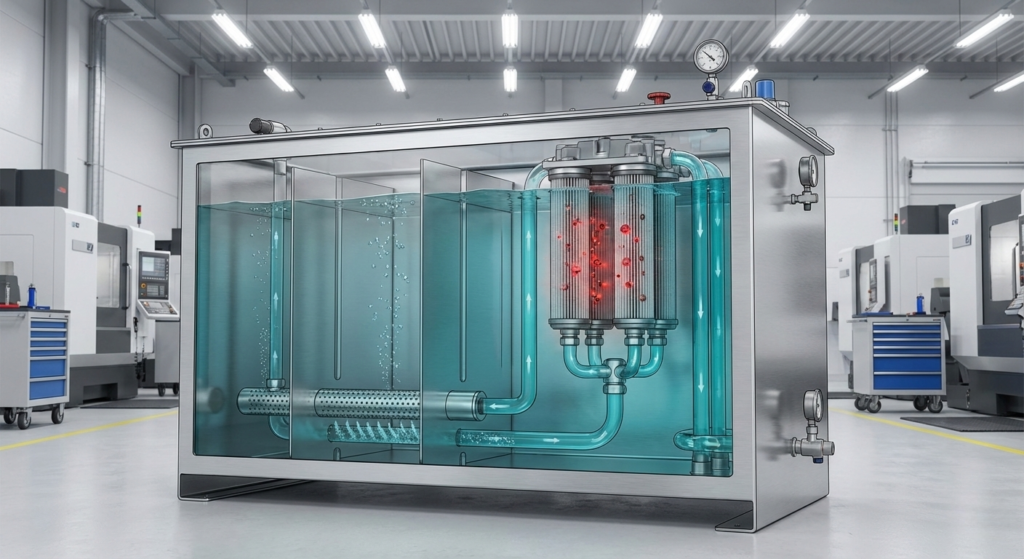
## Best Practices for Preventing Hydraulic Reservoir Contamination
### 1. **Implement Effective Filtration Systems**
One of the most effective ways to prevent hydraulic oil contamination is to install high-quality filtration systems. These systems should be designed to remove both particulate and water contaminants. Consider using:
– **Return Line Filters:** These filters capture contaminants as oil returns to the reservoir, preventing them from circulating through the system.
– **Breather Filters:** These filters prevent airborne particles and moisture from entering the reservoir during atmospheric pressure changes.
### 2. **Regular Maintenance and Monitoring**
Routine maintenance is essential for ensuring the integrity of hydraulic systems. Regularly check and replace filters according to the manufacturer’s recommendations. Additionally, monitor fluid cleanliness using contamination analysis tools, which can help identify potential issues before they escalate.
### 3. **Seal and Protect Reservoirs**
Ensure that hydraulic reservoirs are properly sealed to minimize the risk of contamination from external sources. Use high-quality seals and gaskets, and regularly inspect them for wear and tear. Additionally, consider using reservoir covers to protect against dust and debris.
### 4. **Control Fluid Handling Practices**
Proper fluid handling practices are critical in preventing hydraulic reservoir contamination. When adding or changing hydraulic oil, ensure that:
– The oil is stored in clean, sealed containers.
– Transfer equipment is clean and free of contaminants.
– Procedures are in place to minimize exposure to the environment during fluid changes.
### 5. **Maintain Optimal Operating Conditions**
Operating conditions can significantly impact the likelihood of contamination. Ensure that hydraulic systems are not subjected to extreme temperatures or pressures, which can exacerbate wear and lead to the breakdown of components. Regularly monitor system performance and make adjustments as necessary.
### 6. **Educate Personnel**
Training personnel on the importance of preventing hydraulic contamination is vital. Ensure that all employees involved in the operation and maintenance of hydraulic systems understand best practices for fluid handling, system monitoring, and contamination prevention.
### 7. **Utilize Quality Hydraulic Fluids**
Select high-quality hydraulic fluids that are formulated to resist contamination and degradation. Consider fluids with additives that enhance cleanliness and protect against wear. Regularly test the fluid for contamination levels and replace it as needed.
## Conclusion
Preventing contamination of hydraulic reservoirs is essential to maintaining the efficiency and reliability of hydraulic systems. By implementing these best practices, organizations can significantly reduce the risk of contamination, prolong the life of their equipment, and minimize costly downtime. A proactive approach to hydraulic system maintenance not only protects valuable assets but also enhances overall operational performance.
Hydraulic reservoir contamination occurs when unwanted substances such as dirt, metal particles, water, or air enter the hydraulic fluid. These contaminants can damage pumps, valves, seals, and other critical components, leading to reduced system performance and premature failure.
Common causes include poor filtration, moisture ingress through breathers, improper fluid handling, wear debris from components, and inadequate reservoir design. Contamination often accumulates in the reservoir before circulating throughout the system.
Proper reservoir design helps contaminants settle out of the fluid, allows air to separate, and supports effective filtration. Features such as internal baffles, return-line diffusers, and adequate oil dwell time play a key role in preventing hydraulic reservoir contamination.
Return-line filtration is one of the most effective methods for contamination control, as it captures debris before fluid re-enters the reservoir. Breather filters and offline filtration systems further improve hydraulic oil cleanliness, especially in industrial applications.
Hydraulic oil should be tested regularly based on operating conditions and system criticality. Many industrial systems perform oil analysis every 3 to 6 months to monitor particle levels, moisture content, and overall fluid condition.
Yes. New hydraulic oil is not always clean and may contain particles from manufacturing or storage. Filtering new oil before adding it to the reservoir is a best practice for contamination prevention.
Preventing contamination extends component life, reduces downtime, improves system efficiency, and lowers total maintenance costs. Effective contamination control is essential for reliable long-term hydraulic system performance.