
Hydraulic Tank Size for Dump Trailers
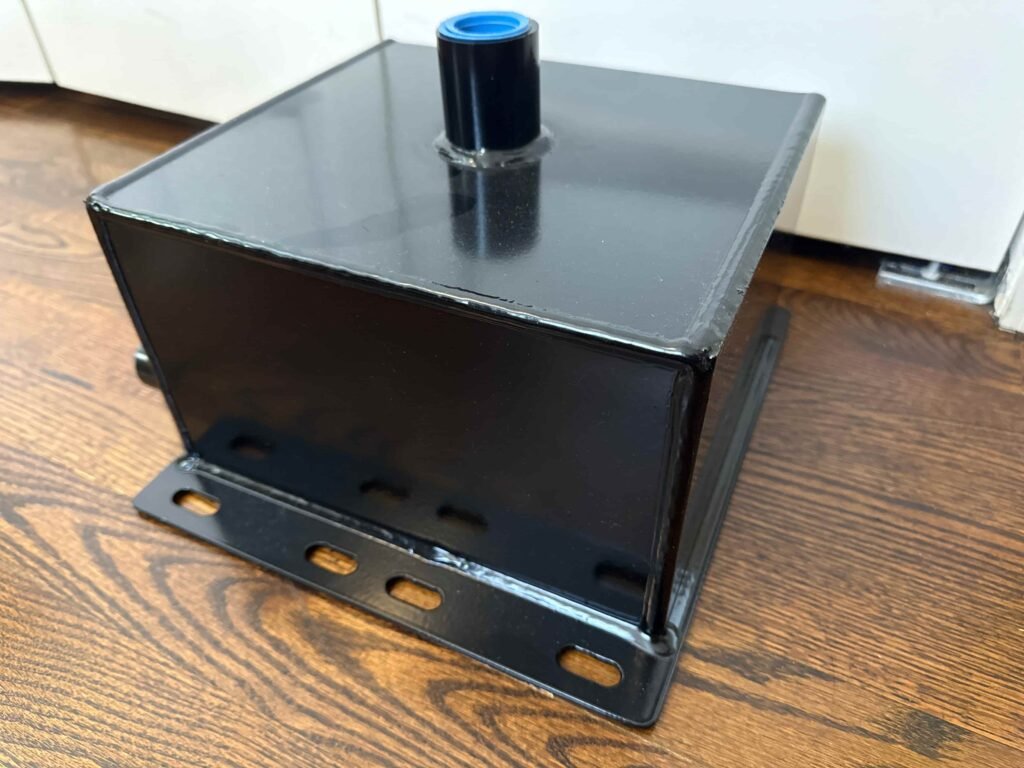
Most dump trailer hydraulic problems don’t start at the pump.
They start at the tank.
In real shop repairs, we often see pumps replaced again and again.
But the real cause is simple:
the hydraulic tank is too small or built the wrong way.
This guide explains the correct hydraulic tank size for dump trailers using real field experience, not textbook theory.
Why tank size matters more than people think
A dump trailer works in short, heavy cycles:
Lift the bed
Hold the load
Lower the bed
Repeat many times
During this cycle:
Oil heats quickly
Air mixes into the fluid
Oil level moves inside the tank
The pump can run short of oil
If the tank is too small, you will see:
Overheating oil
Foamy hydraulic fluid
Loud whining pump noise
Jerky cylinder movement
Early pump failure
We have opened failed pumps in the shop that looked sandblasted inside.
Most of the time, the real problem was poor suction from an undersized tank.
Simple tank sizing rule used in real equipment
Forget complicated formulas.
In real dump trailer service, this rule works very well:
Tank capacity = 2 to 3 times the pump flow (GPM)
Examples:
2 GPM pump → 4–6 gallon tank
3 GPM pump → 6–9 gallon tank
For most dump trailers in the field:
👉 8 to 12 gallons is the safe and reliable range.
Smaller tanks usually run too hot and shorten pump life.
Common mistake we see in the shop
Using a 5-gallon tank to save space
This may work for:
Very small trailers
Light-duty use
Short lift cycles
But in real hauling work:
Oil temperature rises fast
Return oil creates foam
Pump suction becomes unstable on slopes
Result:
Premature hydraulic pump failure.
Saving a few inches of space often leads to expensive repairs later.
Tank design details that really matter
Size alone is not enough.
How the tank is built is just as important.
1. Proper suction port location
The suction port must be:
Low in the tank
Away from return turbulence
Large enough for full oil flow
Bad suction layout can destroy a pump even with clean oil.
2. Internal baffling inside the tank
A real hydraulic reservoir should include:
Separation between return and suction zones
Calm area for air bubbles to escape
Time for hot oil to cool
Flat, empty tanks allow oil to foam and churn, which damages pumps.
3. Return line below the oil level
If the return line splashes above the oil:
Air mixes into the fluid
Foam forms inside the tank
The pump pulls aerated oil on the next cycle
This is one of the most common hidden causes of pump failure.
Steel vs aluminum tanks for dump trailers
Both materials can work, but each has trade-offs.
Steel tanks
Stronger mounting strength
Lower cost
Easier to weld and repair
Good for heavy-duty work
Many working fleets still choose steel for reliability.
Aluminum tanks
Lighter weight
Better corrosion resistance
Faster heat release in airflow
Higher upfront cost
Aluminum is useful where weight matters most.
Simple shop recommendation
For most working dump trailers, a reliable setup is:
10-gallon baffled reservoir
1¼-inch suction port
Return line below oil level
Filtered breather cap
This basic design prevents most hydraulic failures we see in real service.
Final thought
When a dump trailer hydraulic system fails,
the pump usually gets blamed first.
But in real-world repairs, the true cause is often:
the hydraulic tank was too small or poorly designed from the start.
Choosing the correct tank size is one of the lowest-cost ways to prevent major downtime and repairs.
Most dump trailers work best with an 8- to 12-gallon hydraulic reservoir.
A simple rule is to use a tank that holds 2 to 3 times the pump flow rate (GPM) to prevent overheating and cavitation.
Yes.
A small tank can cause:
hot oil
foaming fluid
pump noise
early pump failure
Undersized reservoirs are one of the most common causes of hydraulic problems in dump trailers.
Very much.
A proper hydraulic tank should include:
internal baffles
calm oil separation area
return line below oil level
Without these, air stays in the oil and damages the pump.
Steel tanks are stronger, cheaper, and easier to repair.
Aluminum tanks are lighter and resist corrosion better.
The best choice depends on duty level, weight limits, and environment.
Repeated pump failure is often caused by:
small hydraulic tank
poor suction design
air entering the system
overheated oil
Fixing the tank design usually solves the real problem.