
Why Hydraulic Return Filters Are Critical for Clean and Reliable Hydraulic Systems
In the world of hydraulic systems, maintaining cleanliness is paramount for ensuring optimal performance and longevity. Hydraulic return filters play a crucial role in this process, providing essential filtration that protects components from harmful contaminants. This article explores the importance of hydraulic return filters, their features, and where to install them for maximum efficiency.
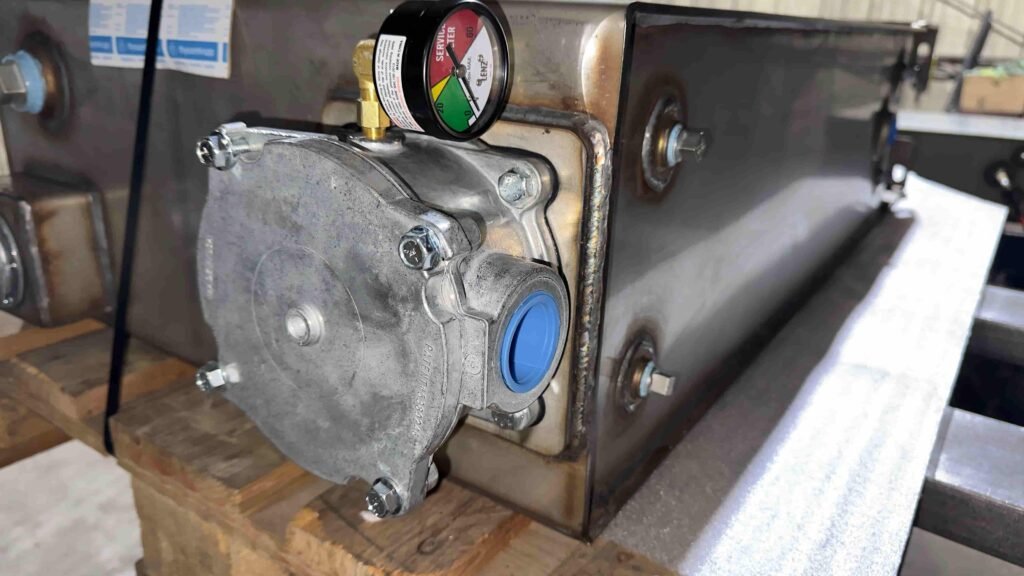
The Role of Hydraulic Return Filters
Hydraulic return filters are designed to remove contaminants from the hydraulic fluid as it returns to the tank. These filters are critical for several reasons:
1. **Contaminant Removal**: Hydraulic systems are susceptible to various contaminants, including dirt, metal shavings, and water. A hydraulic return filter effectively captures these particles, preventing them from circulating through the system and causing wear or damage to components.
2. **System Reliability**: By ensuring that only clean fluid circulates through the hydraulic system, return filters enhance the reliability of the entire system. This is particularly important in demanding applications where system failure can lead to costly downtime and repairs.
3. **Extended Component Life**: Clean hydraulic fluid reduces wear on pumps, valves, and actuators, extending their lifespan and reducing maintenance costs. This is especially beneficial in industrial and mobile applications where equipment is subjected to heavy use.
## Features of Modern Hydraulic Return Filters
Modern hydraulic return filters, such as tank-mounted return line filters, offer several advanced features that enhance their performance:
– **High Flow Rates**: With industry-leading flow rates of up to 96 GPM, these filters are designed to meet the demands of high-performance hydraulic systems without compromising filtration efficiency.
– **Easy Element Replacement**: Maintenance is simplified with filters that allow for quick and easy element replacement. This minimizes downtime and ensures that the system remains operational.
– **Low Pressure Drop**: A low pressure drop across the filter means that the hydraulic system can maintain optimal performance without excessive energy loss, contributing to overall efficiency.
– **Patented Bowl Hold-Down**: This innovative feature improves the reliability of the filter by ensuring that the filter element remains securely in place, even under high-pressure conditions.
– **Direct Retrofit Compatibility**: Many modern hydraulic return filters are designed to be directly compatible with major brands, making upgrades and replacements straightforward and hassle-free.
## Where to Install a Hydraulic Return Filter
Proper installation of hydraulic return filters is essential for maximizing their effectiveness. Here are some key considerations for installation:
1. **Return Line Location**: Hydraulic return filters should be installed in the return line, ideally close to the tank. This placement allows for effective filtration of fluid before it re-enters the reservoir.
2. **Accessibility for Maintenance**: Choose a location that allows for easy access to the filter for routine maintenance and element replacement. This will help ensure that the filter is regularly serviced, maintaining optimal performance.
3. **Avoiding Cavitation**: Ensure that the filter is installed in a way that prevents cavitation, which can occur if the filter is placed too close to the pump. Proper placement will help maintain consistent flow and pressure.
4. **Consideration of Flow Direction**: Always install the filter in accordance with the manufacturer’s specifications regarding flow direction. Incorrect installation can lead to reduced filtration efficiency and potential system damage.
Conclusion
Hydraulic return filters are a vital component of any hydraulic system, ensuring clean and reliable operation. With features designed for high performance and ease of maintenance, these filters help protect valuable equipment and extend the life of hydraulic components. By understanding their importance and ensuring proper installation, operators can maximize the efficiency and reliability of their hydraulic systems. Investing in quality hydraulic return filters is not just a choice; it’s a necessity for maintaining a clean and efficient hydraulic environment.

A hydraulic return filter removes contaminants from hydraulic oil as it returns to the reservoir. This helps protect pumps, valves, and actuators from wear caused by dirt, metal particles, and debris.
A return line filter captures contamination generated during normal operation before the oil re-enters the tank. By keeping the reservoir cleaner, it reduces system-wide particle circulation and extends component life.
Micron rating depends on your system sensitivity and contamination control goals. Many systems use 10–25 micron return filtration, while tighter tolerances may require finer media—always confirm with component manufacturer recommendations and cleanliness targets.
Return filters are typically installed in the return line just before the fluid enters the reservoir, or mounted on the reservoir as a tank-top return filter. Placement should allow easy service access and proper flow handling.
A clogged filter can trigger a bypass valve (if equipped), allowing unfiltered oil to return to the tank, or it can create backpressure and reduce system performance. Common signs include filter indicator activation, higher operating temperatures, sluggish motion, or increased noise.
Change intervals depend on duty cycle, environment, reservoir cleanliness, and indicator readings. A best practice is to replace the element when the restriction indicator shows service is needed, and to inspect on a routine schedule (monthly/quarterly) for critical equipment.