
Hydraulic Pump Failure: What Actually Kills Pumps in Real Machines
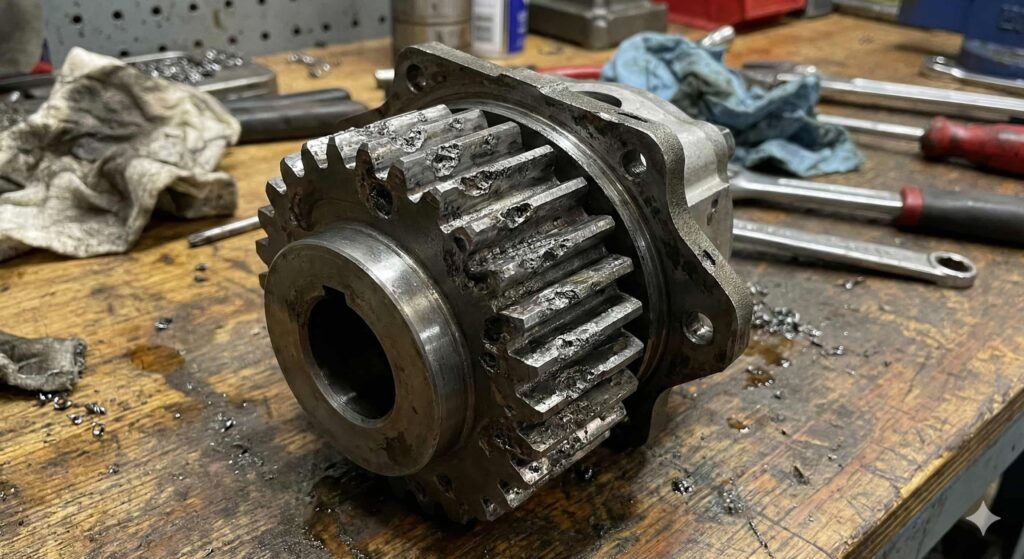
When a hydraulic pump fails, it is usually not the pump’s fault at first.
By the time a pump finally stops working, the real problem started somewhere else in the machine. Oil may not be flowing correctly. The tank may be poorly built. The pump may not be getting enough oil. The system may be running too hot. Dirt may have entered the system and gone unnoticed because the machine still ran.
We see this all the time when people bring us failed pumps. The pump did not fail for no reason. Something else in the system caused it.
This article explains, in simple terms, what really causes hydraulic pump failure in real machines — not just what textbooks say.
Most Hydraulic Pump Failures Start on the Suction Side
The most common problem we see is how oil enters the pump.
Common suction-side problems include:
The suction hose is too small
Sharp turns are installed right before the pump inlet
Long hoses pull oil uphill to reach the pump
The hose is soft, collapsed, or kinked
The strainer is clogged or installed incorrectly
The reservoir outlet is too high off the tank floor
Any restriction on the suction side lowers inlet pressure. When pressure drops below the oil’s vapor pressure, cavitation begins, even if the oil looks clean.
The pump does not fail right away. Internal damage builds slowly. The pump gets noisy, loses performance, and eventually fails.
Many articles mention cavitation. Very few explain why it keeps happening in real equipment.
Cavitation Is Not Just a Pump Problem — It Is a Tank Design Problem
Cavitation is often blamed on the pump, but many times the reservoir causes it.
We have opened tanks after failures and found:
Return oil dumping directly into the suction area
No internal baffles to control oil flow
Aerated oil pulled straight back into the pump
Oil level too low for the machine’s duty cycle
If a reservoir cannot:
Remove air from the oil
Let contamination settle
Maintain oil head pressure at the outlet
…the pump never had a chance.
A pump rated for the correct flow will still fail if the tank is undersized or poorly designed.
Contamination Is the Slow Killer Everyone Underestimates
Many articles correctly say contamination causes pump failure — and then stop there.
What they do not explain is where contamination comes from in real machines.
Common sources we see include:
Weld slag or spatter left inside new tanks
Paint or powder-coat flakes
Cutting oil residue that was never flushed
Incorrect or low-quality breathers
Dirty oil added during service
We have seen brand-new pumps fail in under 100 hours because the reservoir was never properly cleaned after fabrication.
If you are building or replacing a tank:
It must be cleaned, flushed, and dried
Internal weld quality matters
Port placement matters
Breather quality matters
Filters help, but filters cannot fix a dirty tank.
Overheating Makes Every Failure Worse
Heat usually does not kill a pump by itself. It makes every other problem worse.
High oil temperature:
Lowers oil viscosity and lubrication
Increases internal leakage
Speeds up oil oxidation
Damages seals
Shortens bearing life
We often hear,
“The pump failed, then the oil got hot.”
Most of the time, it is the opposite.
Small reservoirs, poor airflow, and return lines dumping hot oil into one area raise oil temperature long before the pump fails.
Aeration vs. Cavitation: They Are Not the Same
Many problems blamed on cavitation are actually aeration.
Aeration comes from:
Return oil splashing above the oil level
Poor internal baffle design
Air leaks on the suction side
Foamy oil caused by poor return placement
Aerated oil compresses. Pumps are designed for solid oil, not air. The damage looks similar to cavitation — noise, vibration, and wear — but the cause is different.
Online guides often mix these together. In the shop, they are not the same problem.
Fabrication Details That Directly Affect Pump Life
This is where most blogs miss the real cause.
We build hydraulic reservoirs every week, and these details matter more than pump brand:
Suction port height: Too high causes starvation at low oil levels
Return port angle: Splashing creates foam
Baffle spacing: Too close causes turbulence, too far creates dead zones
Tank size: Bigger is not always better, but too small always causes problems
Mounting: Vibration cracks tanks and loosens fittings over time
Pump failure often shows up first, but the real cause is usually in the steel around it.
Why Replacing the Pump Alone Often Fails Again
A common mistake is replacing the pump without fixing:
Contaminated oil
Metal debris left in the tank
Damaged hoses
Poor suction plumbing
Bad reservoir design
That is how pumps fail twice.
When a pump fails, it sends metal through the entire system. If the tank is not flushed or replaced, the new pump pulls that debris in immediately.
Preventing Hydraulic Pump Failure Starts Before the Pump
If you want pumps to last:
Design the reservoir correctly
Use large, straight suction lines
Control aeration and heat
Clean tanks properly after fabrication
Filter with a purpose, not blindly
Monitor oil temperature and condition
Most of the time, the pump is the victim — not the cause.
The most common cause of hydraulic pump failure is restricted or unstable inlet flow, usually from suction-side issues. Undersized suction lines, clogged strainers, air leaks, or poor reservoir outlet placement reduce inlet pressure. Once inlet pressure drops far enough, cavitation or aeration starts, and internal pump damage follows.
Yes. Poor reservoir design is a frequent root cause of hydraulic pump failure. Tanks without proper baffling, incorrect return placement, low oil volume, or poor de-aeration allow air, heat, and contamination to reach the pump. The pump fails, but the reservoir caused the conditions.
Cavitation occurs when inlet pressure drops below the oil’s vapor pressure. Vapor bubbles form inside the pump and collapse under pressure, eroding metal surfaces. Over time this causes noise, vibration, loss of efficiency, and eventual pump failure. Cavitation usually starts from suction restrictions or low oil head pressure.
Cavitation is caused by low inlet pressure creating vapor bubbles. Aeration happens when air is physically introduced into the oil through leaks, poor return placement, or foaming. Both cause pump damage, but aeration often comes from reservoir design or plumbing mistakes rather than suction restriction.
Yes. Solid contamination causes internal wear, scoring, and bearing damage. In many cases, contamination enters the system from poorly cleaned tanks, welding residue, or dirty oil during service. Once a pump begins to fail, it releases metal debris that accelerates damage throughout the system.
Replacement pumps often fail because the original root cause wasn’t fixed. Contaminated oil, debris left in the reservoir, damaged hoses, or suction problems remain. Installing a new pump into a dirty or poorly designed system usually results in repeat failure.
Overheating rarely causes immediate pump failure, but it accelerates every failure mechanism. High oil temperature reduces viscosity, increases internal leakage, degrades seals, and speeds oxidation. Pumps running hot typically fail sooner, even if other conditions seem acceptable.
Preventing hydraulic pump failure starts with proper system design. Adequate reservoir volume, correct suction plumbing, clean fabrication practices, controlled return flow, proper filtration, and temperature management all extend pump life. Maintenance alone cannot overcome poor system design.