
Hydraulic Oil Foaming: What Causes It and Why It Hurts Your System
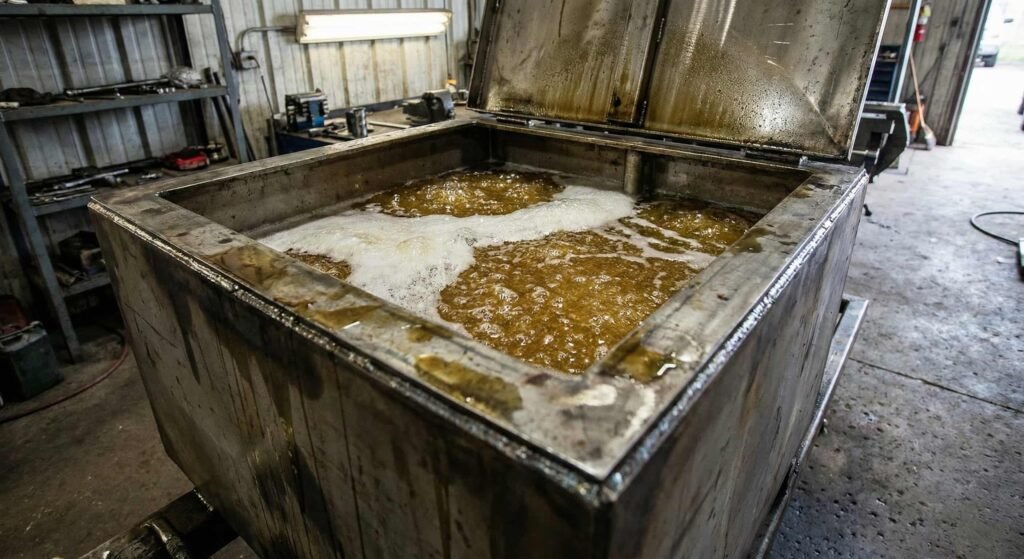
Hydraulic oil should look smooth and clear inside the tank.
If it looks milky, bubbly, or foamy, something is wrong.
Foaming hydraulic oil is not just a fluid problem. It is usually a system design or installation problem. If it is ignored, it can lead to pump damage, loss of power, overheating, and leaks.
This article explains what causes hydraulic oil foaming, how to spot it, and what actually fixes it — in simple terms.
What Is Hydraulic Oil Foaming?
Hydraulic oil foaming happens when air gets trapped in the oil and cannot escape.
Instead of rising to the top and leaving the oil, air stays mixed in. This makes the oil compress, heat up faster, and stop protecting parts properly.
Foam is different from a few normal bubbles.
Foam stays, even when the machine slows down or stops.
Common Causes of Hydraulic Oil Foaming
1. Return Oil Splashing Above the Oil Level
This is one of the most common causes we see.
If return oil dumps above the fluid level, it splashes and pulls air into the oil. That air then gets sucked back into the pump.
This happens when:
Return ports are too high
No diffuser or tube is used
Tank oil level is too low
2. Poor Reservoir Design
A badly designed tank makes foaming worse.
Problems include:
No internal baffles
Return and suction ports too close together
Oil moving too fast inside the tank
Tank too small for the system flow
The reservoir’s job is to slow the oil down and remove air.
If it cannot do that, foam builds up.
3. Air Leaks on the Suction Side
Air can enter the system even if oil is not leaking out.
Common leak points:
Loose hose clamps
Cracked suction hoses
Bad O-rings or fittings
Soft or collapsing hoses
These leaks pull air in every time the pump runs.
4. Wrong or Contaminated Oil
Oil can foam if:
The wrong oil type is used
Oil is mixed with another brand
Water gets into the oil
Dirt or cutting oil contaminates the fluid
Foaming additives only work if the oil is clean and correct.
5. Oil Running Too Hot
Hot oil releases air more slowly.
High temperature:
Breaks down oil
Reduces air release ability
Makes foam last longer
Small tanks and poor airflow make this worse.
Why Foaming Hydraulic Oil Is a Serious Problem
Foamy oil causes many issues, including:
Noisy pumps
Spongy or slow machine movement
Overheating
Loss of pressure
Seal damage
Early pump failure
Hydraulic pumps are designed for solid oil, not air.
Air in the oil means less lubrication and more wear.
How to Fix Hydraulic Oil Foaming
The fix depends on the cause, not the oil alone.
Good solutions include:
Submerging return lines below oil level
Adding proper internal baffles
Increasing tank size if needed
Sealing suction fittings properly
Using the correct oil
Cleaning or replacing contaminated oil
Reducing oil temperature
Simply changing oil without fixing the system usually does not work.
Foaming vs Cavitation: Not the Same Thing
Foaming happens when air enters the oil.
Cavitation happens when pressure drops too low and vapor bubbles form.
They look similar and sound similar, but the causes are different.
Many systems have both problems at the same time.
Final Thoughts
Hydraulic oil foaming is a warning sign.
It tells you something is wrong with the tank, plumbing, or oil condition.
Fixing foaming early can prevent:
Pump damage
Costly downtime
Repeat failures
The oil is showing you a problem — don’t ignore it.
Frequently Asked Questions About Hydraulic Oil Foaming
Hydraulic oil foams when air gets trapped in the oil and cannot escape. This usually happens because of poor return line placement, air leaks on the suction side, bad reservoir design, or oil contamination. Foaming is often a system problem, not just an oil problem.
Yes. Foaming hydraulic oil is bad for the pump because air does not lubricate like oil. Air in the oil causes noise, heat, loss of pressure, and internal wear. If foaming continues, it can lead to early hydraulic pump failure.
Foaming happens when air enters and stays in the oil. Cavitation happens when oil pressure drops too low and vapor bubbles form. Both can damage pumps, but the causes are different. Foaming is usually caused by air entry or poor tank design.
Yes. A poorly designed hydraulic reservoir can cause oil foaming. Common problems include return lines dumping above the oil level, missing internal baffles, suction and return ports placed too close together, and a tank that is too small for the system flow.
Yes. Using the wrong oil type, mixing different oil brands, or using contaminated oil can cause foaming. Water, dirt, or cutting oil in the system can also reduce the oil’s ability to release air properly.
To fix foaming hydraulic oil, you must fix the cause. Common fixes include lowering return lines below the oil level, sealing suction leaks, improving reservoir baffling, cleaning or replacing contaminated oil, and controlling oil temperature. Changing oil alone usually does not solve the problem.
Yes. Foaming reduces lubrication and increases heat and wear inside the pump. Over time, this can lead to noise, loss of performance, and hydraulic pump failure if the problem is not corrected.