
Custom vs Off-the-Shelf Hydraulic Tanks: Pros and Cons
When it comes to hydraulic systems, the choice of hydraulic tanks is crucial for optimal performance and efficiency. Hydraulic tanks, or reservoirs, serve as storage for hydraulic fluid, ensuring that the system operates smoothly. When selecting a hydraulic tank, you typically have two options: custom hydraulic tanks and off-the-shelf solutions. Each option has its own set of advantages and disadvantages. In this article, we will explore the pros and cons of both custom and off-the-shelf hydraulic tanks, with a focus on hydraulic reservoir sizing.
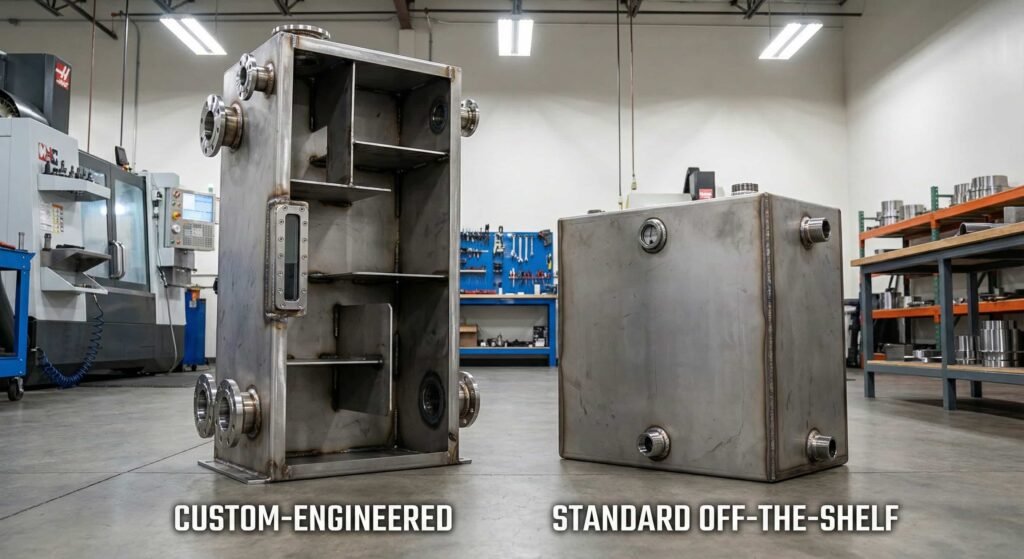
## Custom Hydraulic Tanks
##Pros
1. **Tailored Design**: Custom hydraulic tanks are designed to meet specific requirements. This means you can optimize the size, shape, and features of the tank to fit your unique application. This is particularly beneficial for complex systems where space is limited or where specific fluid characteristics are needed.
2. **Optimal Sizing**: With custom hydraulic reservoir sizing, you can ensure that the tank has the right capacity for your system’s needs. This can help prevent issues such as overheating or cavitation, which can occur if the tank is too small or improperly sized.
3. **Material Selection**: Custom tanks allow for the selection of materials that are best suited for the fluid being used, whether it’s hydraulic oil, water-based fluids, or other specialized liquids. This can enhance durability and resistance to corrosion.
4. **Integrated Features**: Custom tanks can incorporate additional features such as baffles, sight gauges, and filtration systems, which can improve the overall efficiency and functionality of the hydraulic system.
## Cons
1. **Higher Cost**: Custom hydraulic tanks typically come with a higher price tag due to the design, engineering, and manufacturing processes involved. This can be a significant factor for budget-conscious projects.
2. **Longer Lead Times**: The design and manufacturing process for custom tanks can take longer than purchasing off-the-shelf solutions. This can delay project timelines, especially if the tank is a critical component of the system.
3. **Complexity in Design**: Designing a custom tank requires expertise in hydraulic systems and engineering. If not done correctly, it can lead to inefficiencies or even system failures.
## Off-the-Shelf Hydraulic Tanks
## Pros
1. **Cost-Effective**: Off-the-shelf hydraulic tanks are generally more affordable than custom solutions. They are mass-produced, which reduces manufacturing costs and allows for competitive pricing.
2. **Quick Availability**: These tanks are readily available and can be purchased and delivered quickly, making them ideal for projects with tight deadlines or urgent needs.
3. **Simplicity**: Off-the-shelf tanks come with standard features that are suitable for a wide range of applications. This simplicity can be advantageous for straightforward hydraulic systems.
## Cons
1. **Limited Customization**: Off-the-shelf tanks may not meet all specific requirements of your hydraulic system. This can lead to issues with sizing, compatibility, or functionality, especially in specialized applications.
2. **Potential Sizing Issues**: Standard sizes may not align perfectly with your hydraulic reservoir sizing needs, which can result in inefficiencies or inadequate fluid storage.
3. **Material Limitations**: The materials used in off-the-shelf tanks may not be ideal for all types of hydraulic fluids, potentially leading to corrosion or degradation over time.
## Conclusion
Choosing between a custom hydraulic tank and an off-the-shelf solution depends on your specific needs, budget, and timeline. Custom hydraulic tanks offer tailored solutions that can optimize performance and efficiency, particularly in complex systems. However, they come with higher costs and longer lead times. On the other hand, off-the-shelf tanks provide a cost-effective and quick solution but may lack the customization needed for specialized applications.
When making your decision, consider factors such as hydraulic reservoir sizing, material compatibility, and the specific requirements of your hydraulic system. By weighing the pros and cons of each option, you can select the hydraulic tank that best meets your operational needs.