
2-Gallon Hydraulic Reservoir Tank
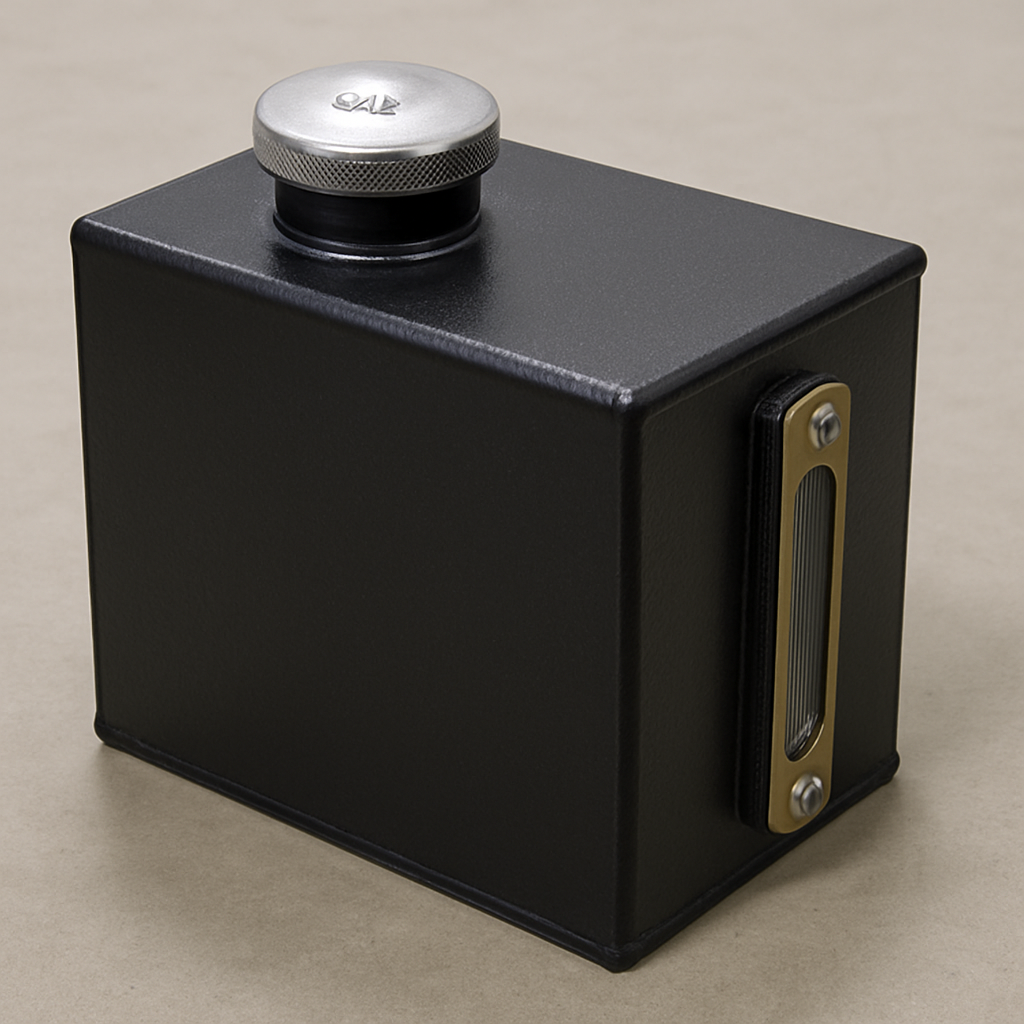
Compact steel tank for small hydraulic power units, log splitters, and mobile equipment
A 2-gallon hydraulic reservoir tank is designed for small systems that need a reliable oil supply, basic cooling, and clean fluid separation without taking up space.
This size is commonly used on:
- Log splitters
- Small dump trailers
- Compact hydraulic power packs
- Lift gates and light mobile equipment
The goal of a properly built reservoir is simple:
Feed the pump clean, cool, air-free oil every cycle.
Key Specifications
Capacity: 2 gallons
Material: Welded steel construction
Wall thickness: Heavy-gauge steel for vibration resistance
Ports:
- Suction port (pump feed)
- Return port (oil return to tank)
Mounting: Welded mounting tabs for frame installation
Finish: Industrial powder coat for corrosion protection
Design: Internal volume sized for oil cooling and air separation
This is real fabricated steel, not thin stamped metal.
Why Reservoir Design Matters
In small hydraulic systems, the reservoir is often the first failure point when built poorly.
Industry standards recommend sizing the tank for a minimum oil dwell time of 3 minutes or three times the pump flow
(for example, a 6 GPM pump should use an 18-gallon tank) and maintaining oil temperature
below 140 °F during operation.
Including these benchmarks helps ensure the reservoir meets accepted reliability standards (ISO 4413).
A correct tank must:
- Keep the suction port submerged to prevent cavitation
- Allow air bubbles to separate before oil returns to the pump
- Provide enough surface area to remove heat
- Handle vibration from engines and mobile equipment
Even a 2-gallon tank must follow these rules to protect the pump.
Common Uses for a 2-Gallon Tank
This size works best when:
- Pump flow is low to moderate
- Duty cycle is intermittent, typically operating less than 10 minutes per hour
- Space is limited
- System heat load is manageable
If a system runs continuously or overheats,
a larger reservoir is usually required.
Steel vs. Aluminum in Small Reservoirs
Steel tanks are preferred in most working equipment because they:
- Resist cracking from vibration
- Handle welding and mounting stress
- Provide durability in outdoor environments
Aluminum may save weight,
but steel is typically more reliable in real field use.
Basic Tank Health Check (Field Method)
When troubleshooting a hydraulic issue, check the reservoir first:
- Oil level — must fully cover the suction line
- Oil condition — dark, milky, or burnt smell indicates problems
- Tank temperature — excessive heat means poor cooling or undersized volume
These three checks solve many “pump failure” complaints.
Built for Real Equipment
This reservoir is intended for:
- Fabricators
- Equipment builders
- Repair shops
- OEM replacement use
Every tank is built for practical service, not display.
When to Choose a Larger Tank
Upgrade size if you see:
- Hot oil during operation (temperatures consistently above 160 °F)
- Foaming or air bubbles
- Continuous-duty pump cycles (running more than 70% of the time)
- Repeated pump wear
Correct reservoir sizing extends pump, seal, and oil life.
Order or Request Custom Fabrication
Need different:
- Port locations
- Mounting style
- Capacity
- Powder-coat color
- Baffles or diffusers
Custom hydraulic reservoirs can be fabricated to match your equipment.
2-Gallon Hydraulic Tank FAQ
A 2-gallon hydraulic reservoir is suitable for small, intermittent-duty systems such as log splitters, lift gates, and compact power units. For continuous-duty equipment or higher pump flow rates, a larger reservoir is typically required to maintain proper cooling and oil dwell time.
Hydraulic reservoirs are commonly sized at two to three times the pump’s flow rate in gallons per minute. This provides adequate oil dwell time for cooling, air separation, and contaminant settling. Small intermittent systems may operate with smaller reservoirs when heat generation is limited.
Most hydraulic reservoirs should be filled to about 75–90% of total capacity when the system is at rest. This leaves space for thermal expansion, returning oil flow, and air separation while keeping the pump suction line fully submerged.
Yes. Overfilling can cause foaming, overheating, and fluid loss through breathers or seals. Maintaining the correct oil level ensures stable pressure, proper cooling, and longer component life.
An undersized reservoir can lead to excessive heat, aerated oil, cavitation, and premature pump wear. Increasing reservoir volume improves cooling capacity and system reliability.